


How to Plan Your First Ski Trip
Planning a ski trip for the first time can feel like a lot to take on. This guide will help you prepare, pack, and book with confidence. To be as straightforward as possible, this ski trip planning guide has been divided into four sections that will give you an understanding of what to expect on the mountain, how to choose a destination, and how to avoid common first-timer mistakes. Here's how we've broken it down:
What to Expect on Your First Ski Trip – A look at how ski resorts work and what beginners should know before hitting the slopes.
How to Plan Your Trip – Tips on when to book, how to choose a resort, and what to know about lodging and ski access.
How to Get Ready – Covers gear rentals, packing, fitness prep, and a quick overview of travel insurance.
Putting It All Together – A recap of key points, plus a few extra tips to make trip planning easier.
Ski trips don’t need to be complicated, but there are a few things to understand up front. Without further ado, let's jump right into planning your first ski trip!
Before You Book: What to Expect on Your First Ski Trip
Weather Conditions And How They Affect Your Day
If there’s one thing to know about the weather in ski towns, its that it can be very unpredictable. You can experience sunshine and warm temperatures in the valley for one minute, and then wind and snow on the summit the next. Likewise the temperature shift from day to night can be quite drastic. Dressing in layers, particularly those made of high quality, breathable materials that wick moisture will help moderate your body temperature so you can stay out on the mountain longer.
Weather also plays a role long before you reach the resort. If you plan on driving to the resort, you want a car that’s equipped to handle icy roads. Either drive a vehicle with 4WD or carry tire chains with you. It also never hurts to pack a shovel.
Altitude Sickness And How To Minimize It
Most ski resorts are located in areas with high elevation, and you can quickly become dehydrated. Here is a quick look at some dietary advice when heading out on your first ski trip:
- Avoid alcohol while skiing: While you may see a bar and contemplate a cocktail, you’re a lot better off avoiding alcohol on your first ski trip. Not only is it more risky to ski with a buzz, but you can also get dehydrated much quicker.
- Drink a lot of water: Staying hydrated on the slopes is crucial. CamelBaks are a popular way to carry water while skiing.
- Protein/energy bars: Packing snacks is important because you’ll be burning more calories than usual. Bring food that is high in protein and carbs. Salty snacks like trailmix, nuts, and granola bars are a great option.
Lift Tickets: What They Are, How They Work, And How Much They Cost
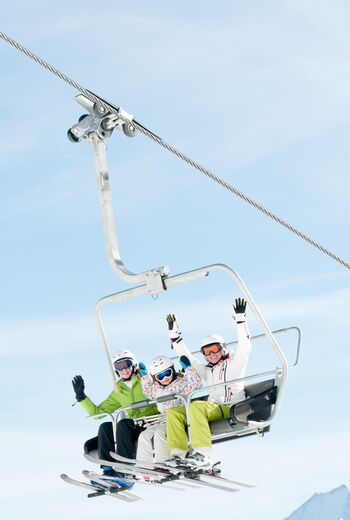
A lift ticket gives you access to the ski resort’s chairlifts and gondolas, which take you up the mountain so you can ski or snowboard down. They’re usually sold as single-day or multi-day passes, and pricing varies depending on the resort, dates of your visit, and how early you bought your pass.
If it’s your first ski trip, avoid waiting until you arrive to buy lift tickets because prices are highest at the ticket window. Buying lift tickets in advance will save you significantly, especially if you’re skiing for multiple days.
Lift tickets are often loaded onto a reloadable RFID card, which you’ll carry in a pocket and scan at the gondola gate as before boarding. Be sure to keep your pass and room key card in separate pockets to avoid scan errors.
If you’re booking lodging, rentals, and lift tickets through a vacation planner like The Lodging Company, ask about bundled pricing—this is your most cost-effective option as wholesalers and tour operators have exclusive discounts you won't find booking direct.
Ski Lessons: Why They’re Worth It For Beginners
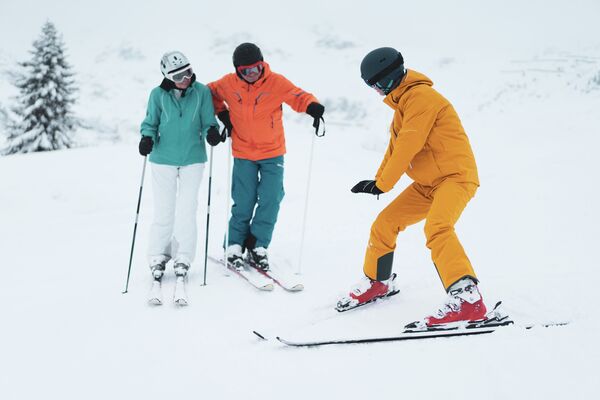
Lessons are one of the smartest investments you can make for your first ski trip. Resorts typically offer both group and private lessons, and many have dedicated learning zones with beginner-friendly terrain. Group lessons are a good fit for most first-timers. You’ll be placed with others at a similar skill level, and instructors will guide you through the basics: how to put on your gear, move on flat terrain, stop, turn, and ride the lift safely. Half-day and full-day options are available but you will need at least 3 hours to cement new skills.
Private lessons come at a higher cost but offer personalized instruction and faster progression. These are a great option if you want one-on-one coaching, have specific goals, or just prefer learning at your own pace. For families, many resorts offer kids’ ski school programs with age-appropriate instruction, lunch, and supervised breaks. These fill up quickly during peak travel dates, so book as early as possible ( and honestly, same goes for adult groups or private lessons).
Like any new hobby or sport, there’s a learning curve. It takes some time to grasp the basics of skiing before you perfect your turns through moguls on Whistler. Even if you only plan to ski for a couple of days, starting with a lesson can make a big difference in your confidence and enjoyment on the mountain.
Transportation: Airport and In-Resort Shuttles
Shuttles are a great option for any traveler, especially those traveling in winter when weather and road conditions can be icy and unpredictable. Most resorts operate an airport shuttle to bring guests to and from the closest regional or international airport. The price for these varies depending on the resort and the distance.
Once you arrive, getting around ski resorts is simple. Most offer complimentary shuttles or free public transportation that connects neighbourhoods with the village centers.
Renting a car can be a good option if you’re traveling during the summer or fall, when road conditions are less unpredictable and you may spend more time exploring the surrounding areas. If you are driving, be sure the property you reserve has parking.
Getting Started: How to Plan Your First Ski Trip
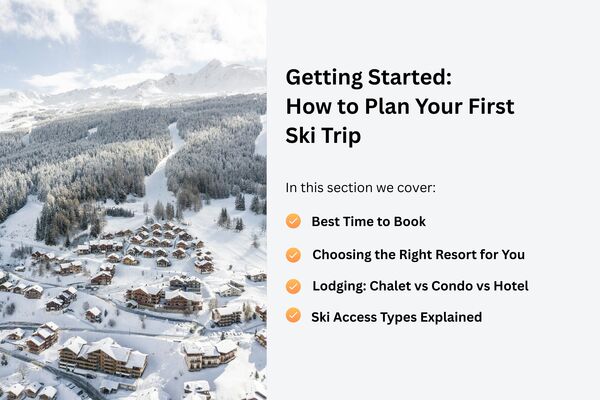
Like with any vacation, you should book as early as possible, especially if you want to stay at popular ski resorts during peak season or have specific requirements. This might include accessibility requirements like level entry, or preferences such as bedroom layout or amenities.
How Far In Advance To Book?
Planning your trip ahead can save you time and money. We recommend booking a few months before your vacation. If you want to go over a holiday weekend (especially Christmas, New Year's, or President's Day), then you should begin looking 6-12 months before your trip. Avoid waiting until the last minute to book whenever possible, when inventory is lower and peak season pricing is higher.
Choose the Right Ski Resort for Your Skill Level
There are a lot of fantastic ski resorts in the USA and Canada. However, some resorts are better suited for beginners. Research the terrain, the number of green runs, and the ski school at the resort to be sure it matches what you and your travel partners want out of the trip.
Travel Tip: We love sending first-timers to these resorts because of the abundance of green / beginner terrain: Sun Peaks (British Columbia), Sun Valley (Idaho), Mount Norquay (Alberta), and Winter Park (Colorado).
Deer Valley (Utah), Snowmass and Steamboat (Colorado) are also excellent options as they all have highly regarded or award-winning ski schools, making them excellent places to learn.
What Kind of Vacation Home Should I Book?
The type of vacation home you should book for a ski trip depends on what type of lodging will best suit your group and travel style. Ski resorts typically offer a mix of hotels, condos, townhomes, and standalone chalets, each with its own perks and quirks.
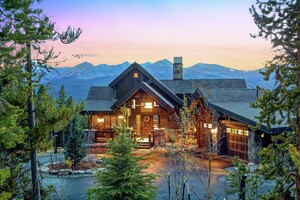
Chalets: Chalets are standalone vacation homes ideal for families or larger groups who want shared living space, multiple bedrooms, and full kitchens. Because they’re often tucked into quieter areas beyond the main village, guests may need to rent a car, use the local shuttle system, or rely on ski-in/ski-out access depending on the exact location.
Condos & Townhomes: These multi-unit properties offer a home-away-from-home feel with kitchens, living rooms, and multiple bedrooms, but on a smaller scale than a chalet. Condos and townhomes are privately owned and individually decorated, so while one might feel sleek and modern, the next might lean into vintage ski nostalgia. Expect variation in layout, finishes, and style—even within the same building. Most sleep 4 to 8 guests, making these properties great for families and small groups.
Hotels: Hotels are often the most convenient option for couples, solo travelers, or anyone who prefers on-site restaurants and amenities like daily housekeeping, spas, and valet. Rooms typically sleep 2 to 4 people and are located right in the village or near the base area.
Ski Access Explained
Not all ski access is created equal. Here’s a quick guide to help decode the terminology:
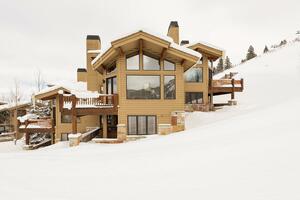
- Ski-In/Ski-Out: This typically means you can ski directly to and from your property. Access varies based on snow conditions, terrain, and skier ability. A building might have ski-in/ski-out access, but the individual condo units or hotel rooms within do not.
- Slopeside: A slopeside property usually means the building is beside a run or lift, but you might need to walk a short distance before clicking in.
- Village Access: Properties are located near shops, restaurants, and après-ski activities, with lifts accessible on foot or by shuttle.
If ski convenience is a priority, clarify what type of access is offered before you book, especially at larger resorts where distances can be deceptive.
What to Expect From Vacation Rentals
As you search for ski resort lodging for your first ski trip, you’ll want to give some thought to what you are looking for from the property. Preparing a list of wants and needs helps curate accommodations based on who you are traveling with and your top priorities. We go into more detail about this here: How to Choose the Right Ski Vacation Rental for You
Ski Décor Styles
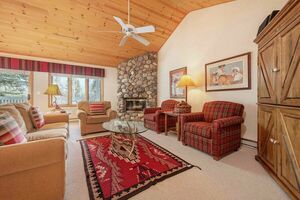
Because most condos, townhomes, and chalets are privately owned, the décor reflects the owner’s taste. Some lean into rustic cabin vibes with log furniture and stone fireplaces, while others opt for a contemporary look with neutral tones. You might even find homes that embrace retro ski décor or eclectic mountain charm. If aesthetics are important to you, be sure to look closely at the listing photos or speak with a travel consultant who’s familiar with the properties.

Accessibility
Do you or any of your group members need ADA-compliant accommodations or have mobility concerns? Some ski towns have limited accessible lodging, so this can affect what’s available and how close you are to the lifts or shuttle routes. Working with a travel consultant can be valuable in these instances, as they can recommend specific properties and units that will suit your requirements.
Amenities
Hot tubs, fireplaces, boot dryers, and ski lockers can make a big difference after a cold day on the slopes. Some units may offer extras like in-suite laundry or balconies. Keep in mind that some features like hot tubs may be "common". If you have a wish list, mention it when booking accommodations.
Parking
Mountain towns are often small, and street parking is limited. From nightly parking fees to vehicle height restrictions for parkades, it’s best to confirm what your parking needs will be ahead of checking in.
Pets
Some properties may have pet-friendly rooms, and the ones that do have a certain number of units set aside for pets and these rooms are often in high demand. There will also be a pet fee applied to your room for each night of your stay. Please don’t bring your pet unless the property has confirmed you have a pet-friendly room booked.
Before You Travel: Preparing for Your Ski Trip
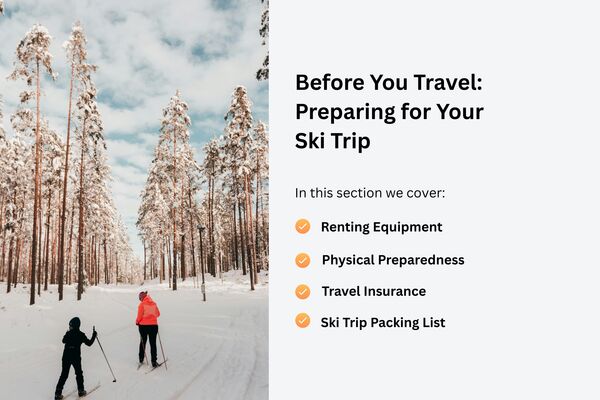
Renting Equipment
Renting ski or snowboard equipment is one of the smartest choices you can make for your first trip to the mountains. It keeps things simple, saves money, and gives you access to professionally fitted equipment. If it's your first time and you aren't sure if skiing is "your thing", renting gear takes away the pressure of an upfront investment. Plus if you need to upgrade or change equipment during your trip it can be an easy switch. If something doesn’t feel right, ask to swap it at the shop.
Physical Preparedness
A lot of people hit the slopes without being physically prepared. If you haven’t worked out in a while, the few hours that you spend on the mountain can make you feel sore, out of breath, and lead to injuries. Gradually increase your exercise routine during the weeks/months leading up to your trip. The work you put in ahead of time can pay dividends on the mountain. Stretching before and after, or relaxing in a hot tub, sauna, or spa, are great ways to recover after a day of skiing.
Consider Travel Insurance
Like any vacation, you may run into unexpected events leading up to or during your ski trip. Winter vacations are often interrupted by illnesses, extreme weather, and sometimes injuries. Make sure you talk with someone about adding travel insurance for peace of mind.
What to Pack for Your First Ski Trip
Clothing
- Base layers (thermal top and bottom)
- Snowpants
- Wool socks (Merino wool is best)
- Snowboots
- Winter hat
- Gloves
- Neck gaiter
- Jacket
- Outfits for après-ski
- Bathing suit
- Comfortable clothes for travel days
- Cozy clothes for sleep and relaxation
Equipment
If you don’t have gear, you will need to rent these items before skiing or snowboarding:
- Helmet
- Goggles
- Skis or a snowboard
- Ski or snowboard boots
- Ski poles
Other Essentials
- Sunscreen (even on a cloudy day, UV rays bouncing off snow can damage skin)
- Lip balm
- Moisturizer
- Toiletries/medication
- Sunglasses
Putting It All Together: Plan With Confidence
By now you should better understand what to expect on your first ski trip, and how to start planning your vacation. And while you can book it by yourself, we’d love to tell you why working with The Lodging Company is a better option.
The Lodging Company has over 25 years experience booking ski and snowboard vacations. All of our Travel Consultants believe in good, old‐fashioned service. We welcome the opportunity to put the final touches on your vacation by arranging discount lift tickets and passes, shuttles, equipment rentals, and a plethora of other services. We can even connect you with specialty services such as daycare, catering, and grocery delivery.
Booking With Us Means:
Less guesswork, more guidance – We’ve done the research so you don’t have to
Better value – Save with exclusive discounts when you bundle lift tickets and equipment with lodging
No booking fees – Feel confident knowing you will always get the best available rate, with no hidden booking fees
Plan Your First Ski Trip
You're all set to start planning your first ski trip. You know what to expect at the resort, how to get around on shuttles, and how to choose the best vacation property for your needs. If however, you want to save your energy for the slopes, our team of travel experts will match you with the best resorts, lodging, and lift ticket deals.