How to Progress from Green to Blue Runs

Moving from green to blue runs is one of the most exciting milestones in skiing - it moves you firmly from beginner to intermediate, and opens up the mountains more than any other skiing landmark.
A skier who can confidently navigate blue runs will be able to explore 90% of 90% of ski hills!
Still, making the call to ski a blue run is intimidating - it’s not a gradual process or one that you can go through subconsciously - the day comes when you will see the blue arrow, follow it, and step into the unknown!
The good news is that with the right preparation and mindset, you can make the transition not only rewarding in hindsight but also enjoyable in real time.
In This Article...
Signs You're Ready for Blue Runs
Skills to Practice on Greens First
Choosing the Right Blue Run
Mindset and Confidence
Drills to Build Confidence
When to Take a Lesson
Final Thoughts
Signs You’re Ready for Blue Runs
Before trying your first blue, it’s worth asking: how do you know you’re ready? You might be ready to progress when you can:
Link turns consistently (without stopping) on all green runs. If you can drop onto any green run, having never skied it before, and confidently get down it, that first blue run beckons.
Control your speed using turns rather than relying on the slope to slow you down. Every skier remembers that time early in their career when they missed a turn, gathered speed, and hung on tight for the upslope at the end of the beginner run to slow them down. If that still happens from time to time, hang on a little longer before hitting the blues!
Stop on demand. Skiers who can stop quickly get in much less trouble than those who can’t!
Feel comfortable skiing green runs in different conditions (early morning corduroy, late afternoon chop, or light powder). The colours assigned to runs are only rough guides to the difficulty level, so make sure that all of the above apply in all conditions.
If this sounds like you, you’re probably ready to venture into intermediate terrain.
Skills to Practice on Greens First
Even if you feel confident on green slopes, a bit of practice before moving up can go a long way. Focus on these fundamentals:
Parallel turns – Begin transitioning from snowplow to parallel. This allows smoother turns and more control on steeper terrain. It’s a gradual process, and you don’t have to complete it before hitting a blue run, but full snow plough on a blue run is exhausting, and less controlled than at least a hint of parallel skiing.
Edge control – Practice shifting weight to engage your ski edges, which helps grip on firmer snow. A common misconception is that the steepness of a run is the primary factor in determining its difficulty, but snow conditions are arguably the most crucial element. A beautifully groomed blue run feels much easier than an icy green!
Pole plants – Using poles for rhythm can keep your turns fluid and balanced. Poles keep you centred through a turn, and seeing them in your peripheral vision is always a good reminder to lean forward.
Stopping on demand – As discussed above, the ability to stop quickly can get you out of a LOT of trouble! Try hockey stops or sharper parallel turns so you can halt quickly, even on steeper sections.
Choosing the Right Blue Run
All blue runs appear equal, but some are more equal than others. For your first few, look for:
Wide trails – The extra space gives you room to turn without pressure. Not having to turn at a certain spot makes life so much easier.
Gentler pitches – Some blues are just a step up from greens, while others feel closer to advanced terrain. Ask for recommendations from those who have already made the leap.
Less crowded slopes – Fewer skiers around means less stress as you focus on technique, and it also means fewer people to avoid while you’re trying to focus on your skiing. Going on a weekday usually reduces the crowds significantly.
Here are a few destinations that are especially progression-friendly:
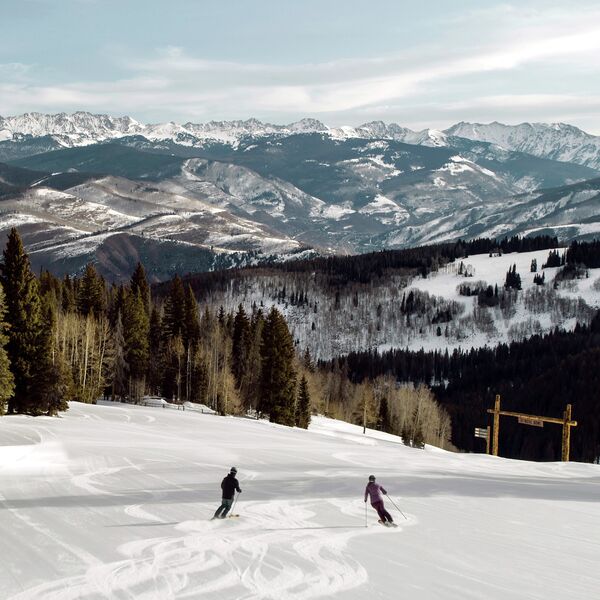
Beaver Creek – Known for perfectly groomed corduroy and wide-open runs like Golden Eagle and Red Tail.
Snowmass – Famous for its true-blue groomers, top-notch ski school, and great progression terrain.
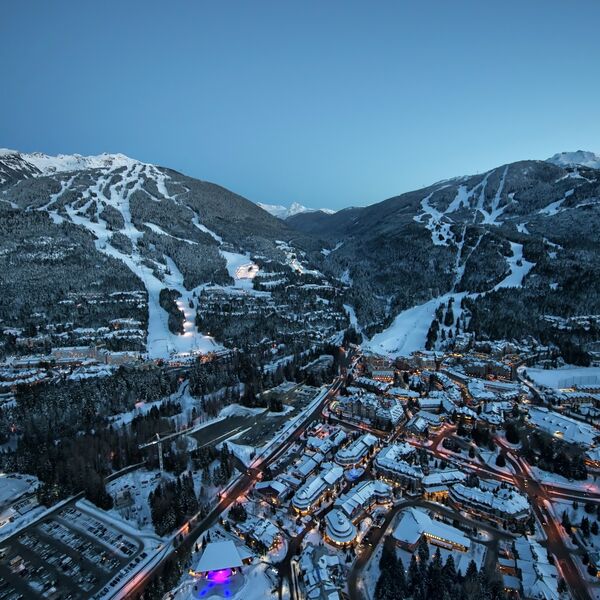
Whistler Blackcomb – On the Whistler side, you’ll find wide blues ideal for practicing speed control.
Steamboat – Home to cruisy blues like Heavenly Daze, with a welcoming atmosphere for those moving beyond beginner skiing.
Mindset and Confidence
The mental side of skiing is just as important as the physical. Keep these points in mind:
Take breaks – Fatigue leads to mistakes; rest when you need to. The number of skiers who injure themselves on the last run of the day is exponentially higher than those who do it on the first run!
Set realistic goals – Ski one blue run a day at first, then build up gradually. Continuing to log more miles on green runs is a far more effective strategy than just going “blues only” once you’ve made the leap.
Don’t compare – Everyone progresses differently. Focus on your own improvement.
Stay positive – Confidence grows with every run - keep going, keep smiling.

Drills to Build Confidence
If a blue slope feels overwhelming, pause on the side and try one of these drills:
Side slipping – Helps you feel in control on steeper pitches without committing to turns.
Hockey stops – Practice stopping on both sides until it feels automatic.
Short turns – Make quick, controlled turns across the hill to manage speed. These skills double as safety tools when conditions change.
When to Take a Lesson
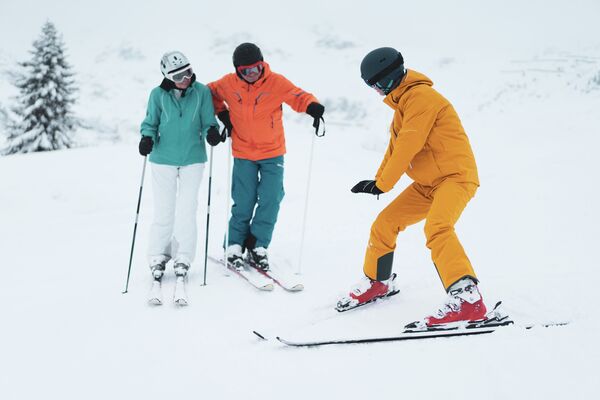
Even strong green-run skiers benefit from instruction when moving up. A lesson can help refine technique, speed up progression, and make the experience more enjoyable. Ski schools often tailor lessons for skiers transitioning to intermediate terrain. Even if you’re progressing just fine by yourself, a lesson shortcuts much of the process, saving you time and crashes!
Booking lessons in advance through The Lodging Company can also save money when bundled with lodging and lift tickets.
Final Thoughts
Progressing from green to blue runs is less about rushing and more about building confidence, step by step. With the right skills, a supportive mindset, and the perfect mountain to learn on, you’ll discover that intermediate skiing opens up a whole new world of fun and freedom.
The Lodging Company has been helping families and groups plan ski vacations since 1999. Our team knows the resorts firsthand and can recommend the best destinations for progression — along with lodging, lift tickets, rentals, and lessons — all tailored to your needs.
Your first blue run is waiting. When you’re ready, we’ll help you get there.
Charlie Boscoe is a lifelong mountain fanatic who has lived and skied across the European Alps and BC, with a particular fondness for deep powder and aprés-skiing!