How to Prevent Altitude Sickness While Skiing: What to Know Before You Book

Altitude sickness doesn't care how fit you are. That's the part most skiers miss. Well-conditioned skiers can still experience symptoms just as quickly as those who are less active. This is because the limiting factor isn't cardiovascular fitness; it's oxygen availability.
As elevation increases, air pressure drops, reducing the amount of oxygen your body can absorb with each breath. Your lungs still move the same volume of air, but each breath delivers less oxygen than at sea level. Your body can adapt; it just needs time.
The problem with ski trips is the sequence. Most people fly in, check into a property at elevation, sleep poorly, wake up groggy, and try to ski hard the next morning. That compressed timeline significantly increases the risk of altitude sickness, and most standard advice doesn't go far enough in addressing how to break that pattern before it starts.
Headaches, fatigue, nausea, dizziness, and disrupted sleep are the most common symptoms, and they typically appear within 6 to 24 hours of arrival at altitude. Poor sleep is a common early symptom, often misattributed to travel and jet lag. That misread leads to pushing harder on day one, which tends to make everything worse.
Why Altitude Sickness Happens on Ski Trips
Altitude sickness is caused by reduced air pressure at higher elevations. As elevation increases, the amount of oxygen available to your body decreases. Your lungs and circulatory system need time to adjust, and that adjustment does not happen immediately.
Ski trips often combine several risk factors:
- Rapid ascent by air travel
- Sleeping at elevation on the first night
- Physical exertion within hours of arrival
Many skiers arrive at a resort, check into a property above 2,000 meters, and head straight to the slopes the next morning. That sequence alone is enough to trigger symptoms, even in people who are physically fit.
Fitness does not eliminate the effects of altitude. The limiting factor is oxygen availability, not conditioning.
Altitude Symptoms Skiers Often Overlook
Altitude-related symptoms are usually mild at first, but they are easy to ignore.
Common signs include:
- Headaches
- Fatigue
- Nausea
- Dizziness
- Disrupted sleep
Symptoms typically appear within 6 to 24 hours of arrival at altitude, with headache and poor sleep often the earliest indicators.
Many skiers assume these symptoms are caused by travel fatigue, dehydration, or a long day outside. That assumption often leads to pushing harder on day one, which makes symptoms worse rather than better.
Sleeping Elevation Is the Key Variable
Here's the variable that makes the biggest practical difference, and the one that almost no general advice covers: where you sleep matters more than how high you ski.
Your body adapts to altitude during periods of rest. If you are sleeping at a high elevation, your oxygen levels remain low overnight, which slows the adjustment process.
This principle is foundational in mountaineering: climbers ascend to higher camps during the day, then descend to sleep at a lower elevation before attempting the summit. The same logic applies directly to ski travel.
Choose Lodging Based on Elevation, not Just Convenience
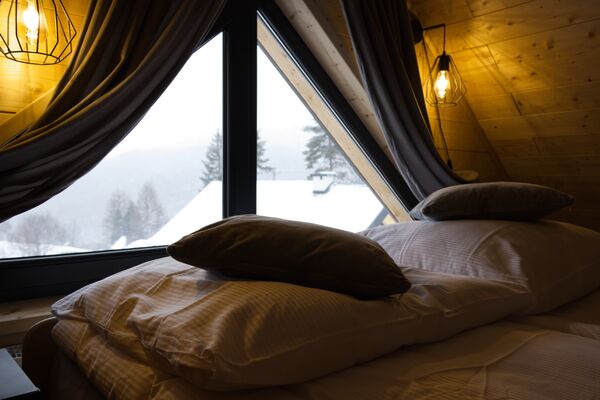
Lodging decisions are often driven by proximity to lifts. Elevation should be part of that decision.
Even a few hundred meters can make a difference in how well you sleep and how you feel the next morning. Two properties in the same resort, one in the village at 2,100 meters and one slope-side at 2,500 meters, can produce very different first-day experiences, even for the same person.
Base Village and In-Town Hotels
Base areas and towns are typically located at the lowest elevations within a resort. They provide a more stable starting point for the first one to two nights and allow your body to adjust with less strain.
Condos and Vacation Rentals
Condos offer the most control over your daily routine. Access to a kitchen makes it easier to stay hydrated, maintain regular meals, and avoid relying on heavy restaurant food. Condos are a practical choice for multi-day stays, especially when acclimatization is a factor.
Ski-in Ski-out Properties
Ski-in ski-out lodging offers direct access to terrain, but these properties are often located higher on the mountain. That higher sleeping elevation can increase the likelihood of symptoms during the first nights of a trip.
Slopeside and ski-in ski-out properties tend to work better after the body has adjusted rather than immediately upon arrival.
Canada vs. U.S. Ski Resorts: Elevation Differences That Matter
Elevation varies significantly across North American ski destinations, and that difference has practical consequences.
Canadian Resorts
Canadian resorts generally have lower base elevations.
- Whistler: approximately 675 meters
- Banff and Lake Louise: around 1,400 meters
At these elevations, oxygen levels are closer to what most visitors experience at home. The transition is less abrupt, and symptoms are less common or less severe.
U.S. Resorts (Especially Colorado)
Many U.S. resorts operate at much higher elevations.
- Breckenridge: approximately 2,900 meters
- Vail: around 2,475 meters
- Aspen: around 2,400 meters
At these elevations, oxygen pressure drops significantly. Visitors often sleep above 2,400 meters on their first night, which increases the likelihood of symptoms.
Trips to higher-elevation U.S. resorts require more deliberate planning. Lodging selection, arrival timing, and first-day activity all have a measurable impact on how the trip starts.
Why a Condo Is One of the Better Altitude Sickness Prevention Tools You Can Book
This doesn't get discussed enough. When you're managing the early stages of altitude adjustment, your environment matters, and a condo gives you meaningful advantages over a hotel room.
Hydration and Nutrition at Altitude
At higher elevations, your body loses fluid faster than usual due to increased breathing rate and dry mountain air. Altitude also affects digestion and appetite.
To manage this:
- Drink more water than usual, consistently, throughout the day
- Use electrolytes to maintain balance
- Eat regular, lighter meals
- Limit alcohol
Restaurant meals tend to be heavy, high-sodium, and calorie-dense in ways that can leave you feeling worse when you're struggling with altitude sickness. A condo kitchen lets you prepare lighter, lower-sodium meals that are easier on your digestive system.
If you're staying somewhere with a full kitchen and control over your environment, it's simply easier to make the choices that support recovery.
A Practical Acclimatization Plan for the First Two Days
Acclimatization is a gradual process. The goal is to reduce the stress placed on your body during the first 24 to 48 hours. If your itinerary allows, arriving a day before you plan to ski can make a noticeable difference. If not, adjusting your pace on the first day becomes more important.
Practical tips for acclimatization:
- Spend the first night at the lowest elevation
- Keep activity moderate on day one
- Ski shorter sessions and stay hydrated
- Take breaks between runs
- Pay attention to how your body responds
Even experienced skiers benefit from a controlled start. Pushing for a full day immediately after arrival often leads to a slower recovery.
When Symptoms Require Action
Mild symptoms can often be managed with rest, hydration, and reduced activity.
More serious signs include:
- Persistent or worsening headache
- Vomiting
- Shortness of breath while at rest (not during exertion)
If symptoms escalate, descending to a lower elevation is the most effective response. Medical evaluation may be necessary if symptoms do not improve.
Planning Your Stay with The Lodging Company
Most of the advice on how to prevent altitude sickness while skiing focuses on what you do after you arrive: hydrate, take it easy, don't drink too much. That guidance isn't wrong, but it skips the most actionable decision you make before you even leave home: where you sleep.
The Lodging Company allows you to compare accommodations across different locations within each resort, including variations in elevation based on the lodging type.
You can choose:
- Base-area hotels with easier acclimatization
- Condos with more control over daily routines
- Slope-side properties for direct ski access once adjusted
Selecting where to stay is part of managing how your trip begins. Elevation, location, and property type all contribute to how quickly you adjust and how comfortable your first days on the mountain feel.