What to Bring on a Ski Trip: A Complete Checklist

Packing properly can make or break a ski vacation. Weather, terrain, and long days outdoors mean preparation matters more than on a typical trip. This ski trip packing list covers everything from on-mountain essentials to off-slope clothing and travel logistics.
With this ski trip checklist, you can arrive organized and focus on skiing and not on replacing forgotten gear.
Ski and Snowboard Gear: The Foundation of Your Trip
At the core of any packing list will be your ski trip essentials. Renting gear is easy for travelers who want to pack light. However, bringing your own equipment can improve comfort, consistency, and performance.
Skis or Snowboard
If you’re bringing your own gear, schedule a tune upon arrival to ensure edges, bases, and bindings are in good condition. Travelers planning to rent should check availability in advance, particularly during holidays and peak season. And don't forget your ski poles!
Boots
Boots have the greatest impact on comfort and control. Rental boots vary widely in fit, flex, and support. Many experienced skiers and snowboarders prefer to travel with their own ski or snowboard boots.
Helmet
Helmets are standard at most ski resorts and strongly recommended. Travelers who already have a helmet usually bring it for comfort and familiarity. However, rental helmets are easy to find at shops.
Goggles
Pack goggles that perform well in changing conditions. A lens suited for flat light is especially helpful on overcast or snowy days, while darker lenses work better in bright alpine sun.
Gloves or Mittens
Choose waterproof, insulated gloves or mittens designed for skiing. Packing a second, lighter pair is useful for warmer afternoons or spring conditions. Bonus points if your gloves have a place for your pass to slot in.
Clothing for the Mountain: Layering for Comfort and Performance
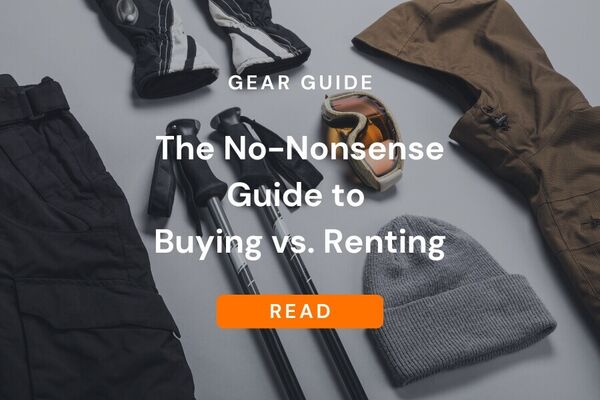
Mountain weather and temperatures fluctuate dramatically depending on altitude, wind, and how hard you’re skiing or snowboarding. Proper layering lets you adapt without overheating or getting chilled.
Base Layers
Start with moisture-wicking tops and bottoms made from wool or synthetic fabrics. These layers sit next to your skin and pull sweat away, keeping you dry. Cotton is a no-go because it traps moisture, cools quickly, and leaves you shivering after a run.
Mid Layers
These provide insulation and warmth. Start with a thin fleece for sunny afternoons. Layer up with an insulated jacket for cold, windy mornings at high elevations. You can add or remove mid-layers as needed.
Outer Layers
A waterproof, breathable jacket and ski pants protect against snow, wind, and occasional sleet. Ventilation zippers are a game-changer because they let you release heat.
Ski Socks
Wool or synthetic ski socks reduce moisture and friction. Your feet and friends will thank you for bringing multiple pairs on your multi-day ski trip. Besides, do you really want to wash your socks in the bathroom sink overnight?
Neck Gaiter or Balaclava
Provides added protection from wind and cold, particularly on exposed chairlifts or storm days.
Hat or Beanie
Useful for breaks, après-ski, and mornings before hitting the slopes. A set for the slopes and a set for the village is a wise choice for comfort and hygiene.
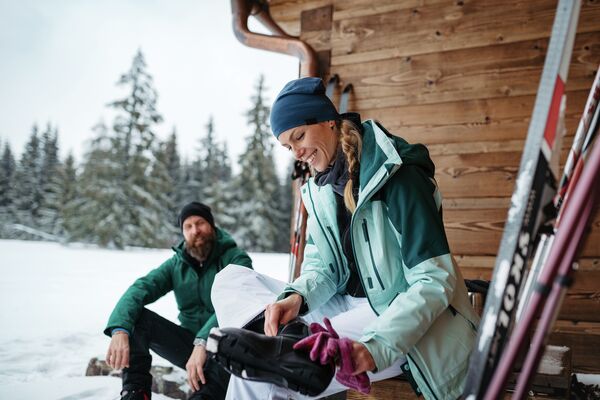
Off-Slope Clothing: What to Wear Beyond the Lifts
A complete ski vacation checklist should include clothing for evenings, rest days, and time spent in the village.
Pro tip: Pack a full set of base layers just for off-slope activities. The same temperature and weather fluctuations apply when you're snowtubing or walking around the village. Plus, your ski-day layers will get sweaty and stinky, and you don’t want to spend your vacation waiting for laundry to dry.
Casual Layers
Pack warm, comfortable clothing such as sweaters, long-sleeve shirts, leggings, or jeans for dining out and walking around town. Most restaurants won't have a dress code unless it's a fine dining restaurant. Bring appropriate evening wear for the restaurants you plan to visit.
Winter Footwear
Waterproof boots with good traction are essential. Resort walkways can be icy, and standard shoes often lack sufficient grip.
Swimsuit
Many ski lodgings feature hot tubs, heated pools, or spas. A swimsuit is one of the most frequently forgotten ski trip items.
Accessories
Bring insulated gloves for walking around town, along with a scarf or warm hat for evenings outdoors.
Backpack
A small backpack is useful for carrying water, snacks, or extra layers while exploring the base area or village.

Safety, Comfort, and Technology Essentials
Small, lightweight items can greatly improve comfort and safety both on and off the mountain.
Sunscreen and Lip Balm
UV exposure is stronger at higher elevations, even on cloudy days. Use sunscreen daily and pack a high-SPF lip balm.
Hand and Toe Warmers
Easy to pack and helpful on cold mornings or during long chairlift rides.
Hydration
A reusable water bottle or hydration pack helps prevent dehydration, which is more common at altitude.
Phone Charger and Portable Power Bank
Cold temperatures drain batteries quickly. A power bank ensures access to trail maps, lift status updates, and emergency communication.
Toiletries and Personal Care for Cold Weather
In addition to daily essentials, cold and dry mountain environments require extra care.
- Toothbrush, toothpaste, deodorant, face wash
- Rich moisturizer to combat dry skin
- Conditioner or leave-in hair treatment to offset helmet hair and cold air
- Travel-sized containers if flying
- Prescription medications and preferred over-the-counter items
Travel Documents and Trip Logistics
Organizing documents ahead of time reduces stress on arrival and during travel days.
- Lift tickets or confirmation for pre-purchased passes
- Lodging reservation details, access codes, and parking instructions
- Rental car details, winter driving instructions, or shuttle schedules
Optional Comfort Items for a Ski Vacation
These items aren’t essential but can add convenience and enjoyment.
- Slippers for evenings in hotels or condos
- Portable speaker for low-volume indoor use
- Camera or GoPro for documenting ski days
- Travel thermos for hot drinks
- Small laundry bag for organizing clothing in your suitcase
Commonly Forgotten Ski Trip Items
- Phone charger or portable power bank
- Swimsuit
- Extra socks
- Sunscreen and lip balm
- Medications
- Contact lens supplies
- Winter boots
- Goggle wipe or microfiber cloth
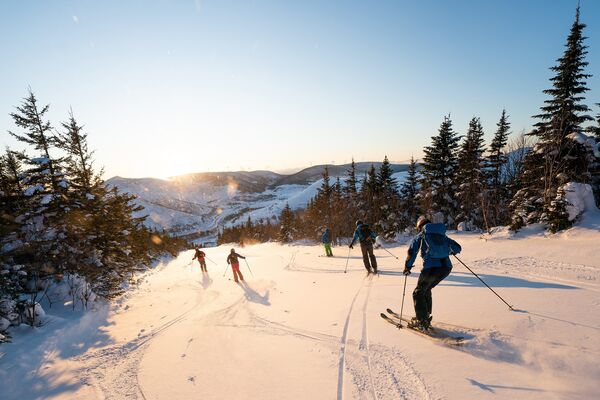
Conclusion: Build Your Ski Trip Packing List with Confidence
A well-planned ski trip packing list helps ensure a smooth, comfortable vacation from arrival to last run. Use this checklist as a starting point and adjust it based on your destination, expected weather, and trip length. With the essentials covered, you can spend less time replacing forgotten items and more time enjoying the mountain.
Sean is a passionate snowboarder, mountain enthusiast, and travel writer. He enjoys testing the latest gear and calling in sick on a pow day.